How Much Solar Power Do You Need for a Backup Generator?
 crowdmobs
A solar backup generator can safeguard your home from power outages, but its efficacy is determined by its size. Many homeowners underestimate the amount of energy they actually consume. Others overpay on systems that surpass their requirements. To create a dependable configuration, you must determine daily usage, desired backup time, and charging capacity. Solar panels, batteries, and inverters must function as a unified system. Weather factors and home load patterns both have an impact on the outcomes. This article describes how to calculate your backup power requirements and the appropriate quantity of batteries and panels for reliable emergency coverage.
How Do You Calculate Your Backup Power Needs?
Determine which appliances you intend to use in the event of an outage first. Pay attention to critical loads, including sump pumps, medical equipment, internet equipment, lights, and freezers. Determine the operating wattage of each device and project the number of hours used each day. To determine watt-hours for each gadget, multiply watts by hours. To calculate the daily energy requirement, add together all of the totals. To verify your estimate, check the average daily kilowatt-hour use on your electricity statement. Choose the number of backup days you require, usually one to three. To calculate the total amount of battery storage needed, multiply daily use by the number of backup days. Accurate calculations prevent undersized systems and improve reliability during extended outages.
How Many Solar Panels and Batteries Do You Need?
Determine Required Battery Capacity for 1–3 Days of Backup
The capacity of your backup generator's batteries influences how long it can work in the absence of sunshine. If your house uses 10 kWh per day and you want two days of autonomy, you will need at least 20 kWh of useable storage. Many homeowners install a 20% safety buffer to accommodate unforeseen loads. Keep in mind that discharge restrictions prevent all of the battery capacity from being completely utilised. Lithium-based systems often allow for deeper discharge than earlier technologies. Adequate storage allows reliable performance during storms or long-term outages, when recharging may be limited or delayed.
Calculate Solar Panel Array Size Based on Sunlight Hours
Solar panels must provide enough energy to replenish your batteries throughout the available sunlight hours. Determine the average number of peak solar hours in your location each day. To determine the needed panel wattage, divide your daily energy requirements by the number of hours of sunlight. For example, if you use 10 kWh per day and get five hours of sunlight, you'll need around 2 kW of solar capacity. Increase this figure to account for gloomy weather and seasonal variations. Larger arrays recharge batteries quickly and offer more robustness. Proper panel size guarantees that your backup generator recovers fast after discharging during an outage.
Understand Charging Efficiency and System Losses
No solar system achieves 100 per cent efficiency. Energy loss occurs during conversion, battery charging, and inverter operation. Wiring resistance and temperature variations both degrade performance. Most systems have efficiency losses ranging from 10 to 20 per cent. To avoid underperformance, include these losses in the battery and panel size calculations. For example, if your daily requirement is 10 kWh, build the system to generate slightly more than that. Accounting for inefficiencies ensures batteries recharge fully and maintain reliable output during extended blackouts. Ignoring system losses can lead to insufficient backup capacity when you need it most.
What Factors Affect Your Solar Backup Generator Size?
Climate, Sunlight Availability, and Seasonal Changes
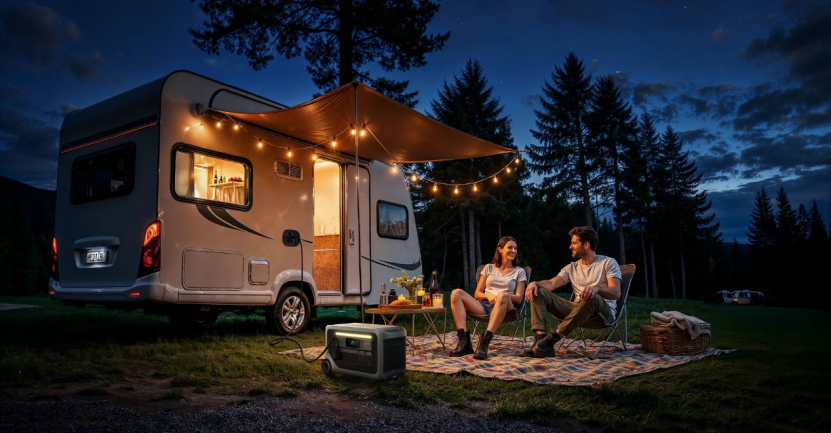
Climate directly influences the performance of solar power generators. Solar energy is generated less efficiently in areas with regular cloud cover or heavy snowfall. Winter months typically have fewer daylight hours, which shortens the charging time of solar power generators. High temperatures can reduce panel efficiency marginally. When constructing a backup system, make cautious sunlight predictions based on the worst-case seasonal conditions. Installing more panel capacity increases dependability during low-sun times. Local temperature patterns dictate whether you require more battery storage to compensate for lower generation. Proper planning guarantees that solar power generators work consistently throughout the year, rather than only during excellent summer conditions.
Inverter Rating, 120V vs 240V Loads, and Home Integration
The inverter decides which items your backup system can power. Many necessary gadgets run on 120 volts, while larger equipment like central air conditioners and electric dryers need 240 volts. If you want to supply 240V loads, use a system intended for split-phase operation. The continuous inverter rating must surpass your maximum combined operating load. Surge capacity must also accommodate starting spikes. Consider how the system is connected to your house, whether via a transfer switch or a specialised subpanel. Proper integration increases safety and makes operating easier during interruptions.
Expandability and Future Energy Needs
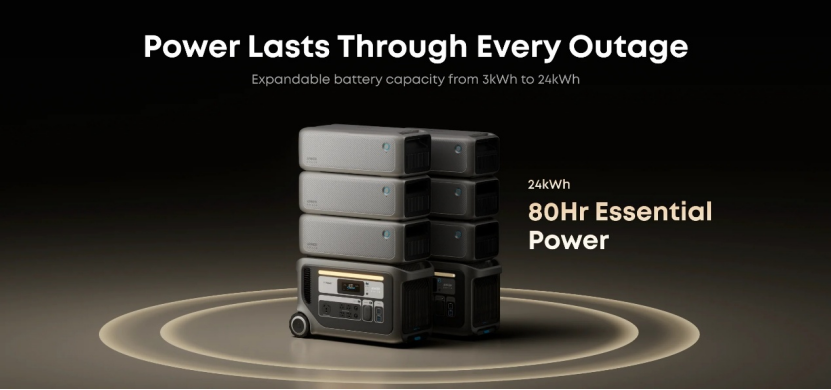
Energy requirements frequently increase over time. You may add new appliances, electric vehicles, or more devices. Choosing a system with expandable battery modules allows you to add storage without replacing the entire setup. Some backup generators include parallel connections for increased inverter power. Expandability safeguards your investment and responds to shifting consumption patterns. Planning for future expansion lowers the likelihood of system limits later. A versatile design guarantees that your solar backup system stays usable as family energy demands change.
Conclusion
Calculating how much solar electricity you require for a backup generator necessitates precise calculations and practical planning. Begin by defining necessary loads and estimating daily energy use. Then, design the battery storage for one to three days of backup, and match the solar panel capacity to the local sunshine circumstances. To sustain dependability, take into account system losses and seasonal volatility. Before making a purchase, consider the inverter rating and any future expansion choices. A correctly sized solar backup generator provides dependable protection, clean energy, and increased independence during grid interruptions.